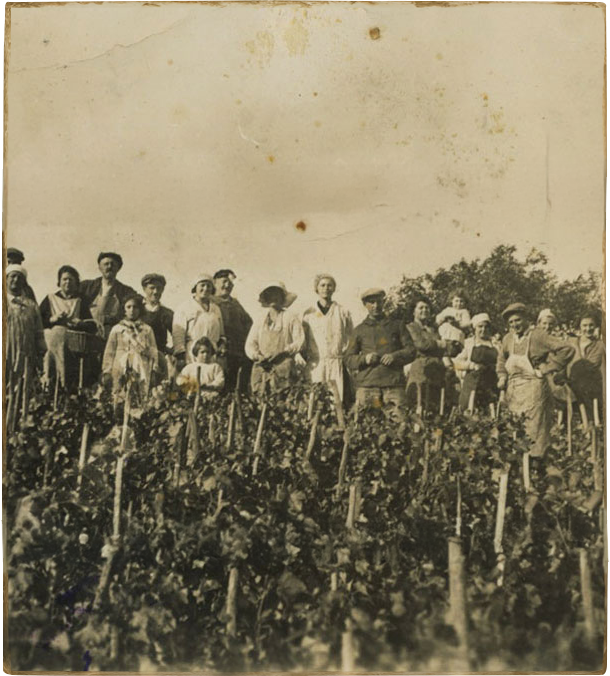
he family's winegrowing history began in 1862 with Grégoire Bonnet and his son Jules. They initiated wine production by installing a 5,500 kg Dubois press in Chamery, then powered by hand. After the Second World War, the first winery was destroyed and Raoul Bonnet rebuilt a winery at the top of the village, with the help of his son André, who joined him at the age of 14.
In 1957, the marriage of André Bonnet and Monique Ponson gave birth to the Bonnet-Ponson estate, in the terroirs of Chamery, Vrigny and Coulommes-la-Montagne. Little by little, André enlarged the cellar and refined the style of his champagnes through longer bottle ageing.
Thierry Bonnet took over the estate in 1979, and was joined by his wife Marianne in 1983. Thierry reintroduced wood ageing with the creation of Jules Bonnet champagnes, and expanded the winery and vineyard with the acquisition of new plots in Verzenay in 2003.
In 2013, their son Cyril Bonnet joined the estate after 6 years spent in the South West growing Négrettes, Syrah and Cabernet. The conversion to organic farming was then launched for the entire estate, followed in 2019 by the start of agroforestry, and the planting of over 400 trees around and within the plots.
yril Bonnet earned his degree in oenology in 2006 and gained six years of experience at a winery in Fronton before joining his father in 2013. Upon his return, he began the transition of the estate to organic farming and implemented alternative methods in the vineyard based on phytotherapy. In the winery, he began producing certain wines without sulfites.
Guided by our deep connection to the land and respect for all living things, we have been cultivating our vineyard organically since 2013, without synthetic insecticides, herbicides, or fungicides. We protect our vines using natural fungicides (copper, sulfur) and homemade plant-based preparations (nettle, horsetail, comfrey), which promote the vitality of the vines. Soil biodiversity is preserved through natural grass cover and shallow plowing, which strengthen the vines’ root systems and resilience.
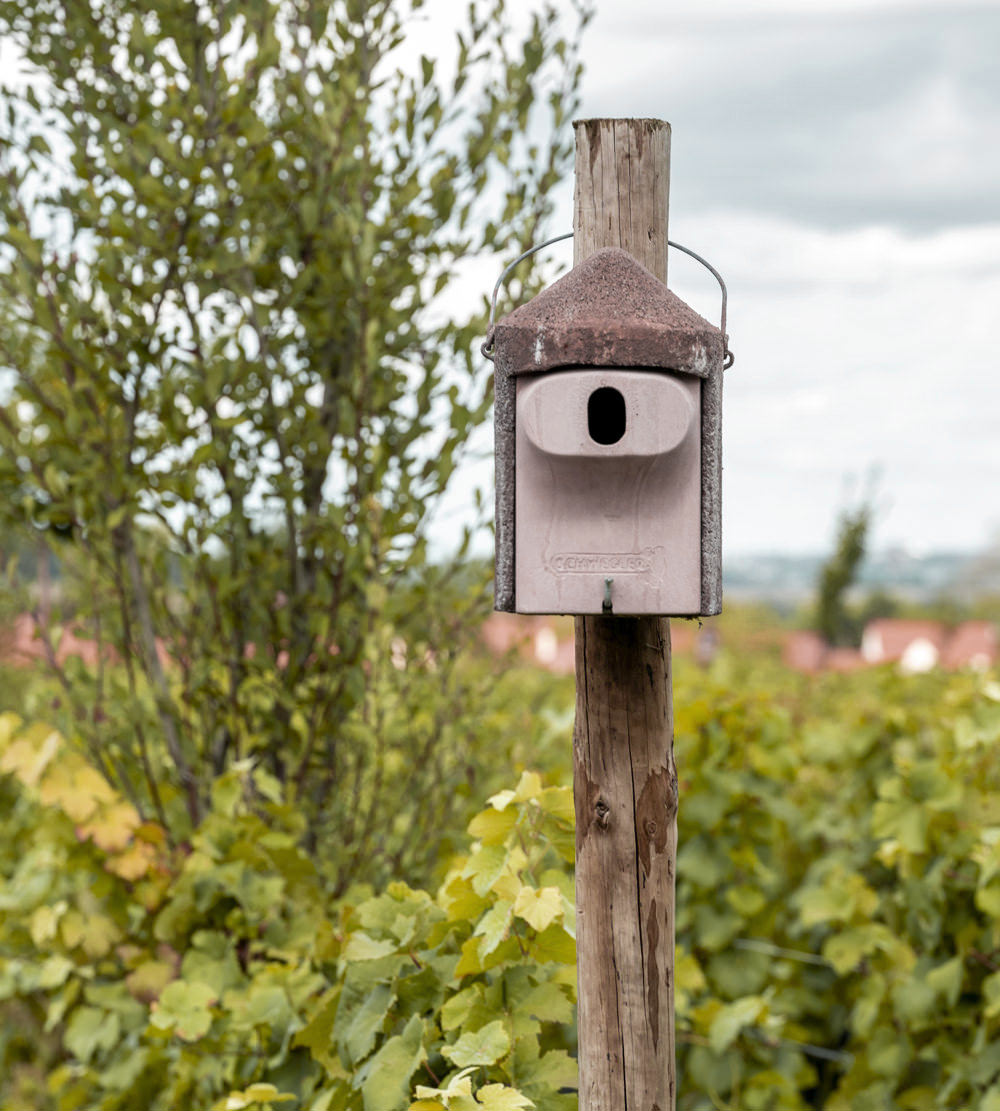
In a world where communication often overshadows the reality of agricultural practices, we see organic certification as a minimum guarantee of the purity of our grapes and wines. However, our commitment goes much further, with the application of a "conservation" philosophy to our vineyards. Conservation of the organic matter in our soils (through compost production and topsoil cultivation), of biodiversity (insects, birds, but also underground life) through agroforestry and green manuring, and of our plant heritage through gentle pruning and limited yields, with the aim of prolonging the life of our vineyard plots.
ur 10.5-hectare family vineyard covers around fifty plots in Chamery, Vrigny, Coulommes-la-Montagne (premiers crus), and Verzenay (grand crus). The diversity of exposures, from north to southeast, and the richness of the soils-sand, limestone and clay-provide ideal conditions for our grape varieties. Meunier thrives on sandy soils on the lower slopes, producing fruity, expressive wines. Higher up, the clay-loam soils are home to Pinot Noir, providing structure and aromatic depth. Higher up, our Chardonnays benefit from clay soils mixed with chalk and flint, producing lively, elegant wines with aromas of white flowers and citrus fruit. In Verzenay, our old, north-facing Pinot Noir vines on chalky soil produce powerful, well-balanced, ageworthy wines, the basis of our Jules Bonnet Blanc de Noirs cuvée.